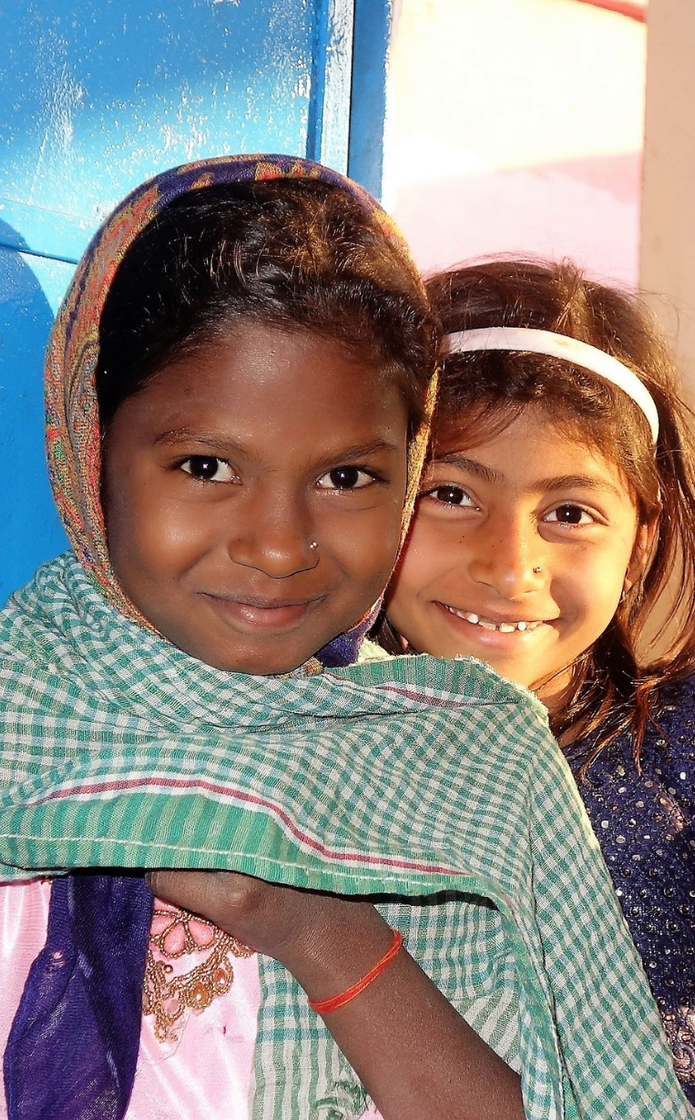
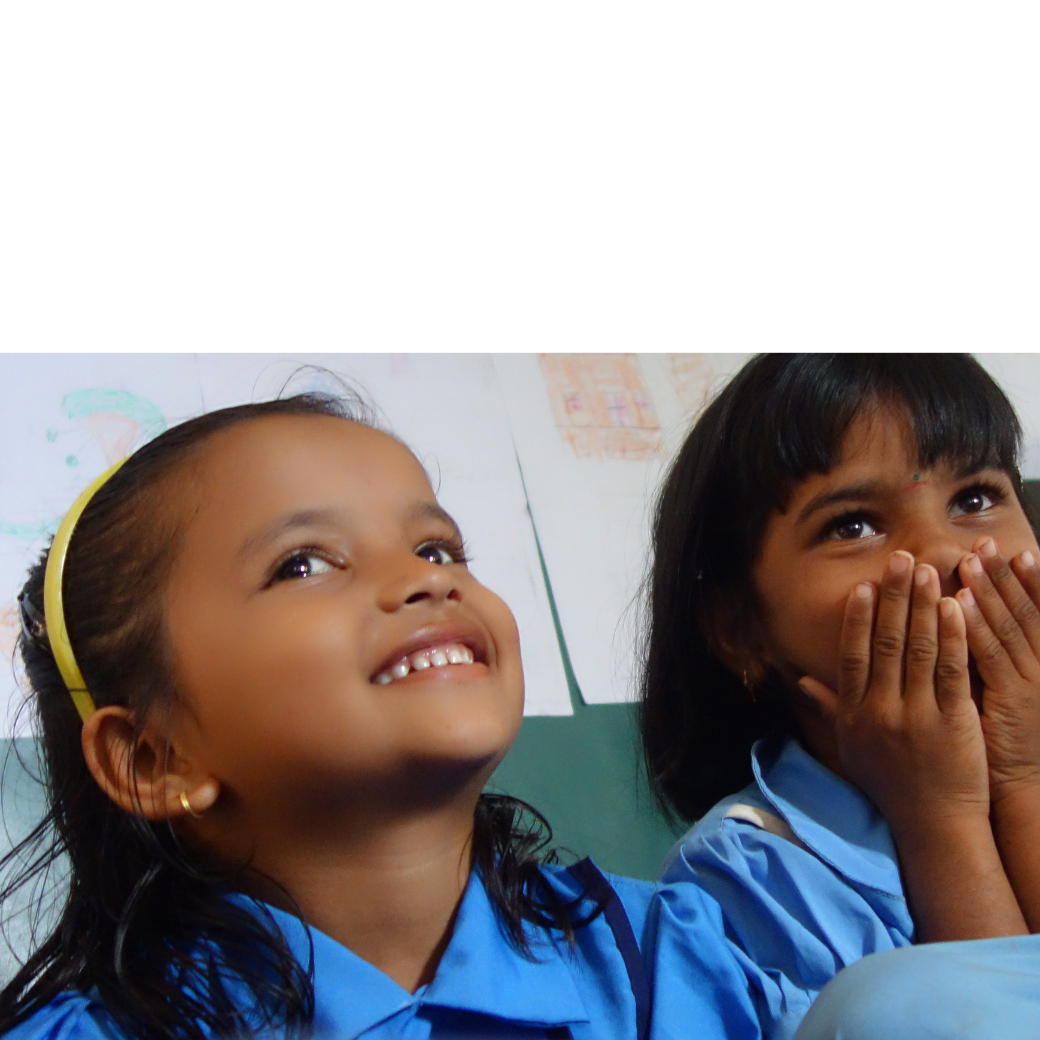
Kinderpostzegels has been working in South Asia since the 1970s. In 2022, we launched the Two Feet Ahead Together program in India, working with local partners.
India is the most populous country in the world. As many as 42% of the population is under 24 years old. That's about 764 million young people. Unfortunately, many children face difficult circumstances.
- Many children work instead of going to school
- Discrimination based on their caste and gender
- Many girls are married before their 18th birthday
We work with children and their communities to ensure they have a good childhood. We help them get a good education, understand their children's rights, and strengthen their resilience and mental well-being. While many problems cannot be eliminated, we help children to deal with difficult situations resiliently. This gives them more opportunities for the future.
Poverty is often the cause of many problems. Many children go to school without breakfast, and there is no money for school supplies. The risk of dropping out of school early is high. Girls often marry young due to limited future opportunities or family pressure. Boys often start working young to earn money for the family.
Would you like to know more about the results and impact of our program in India?
The story of...
What better way to imagine the impact our programs have on children's lives than through the stories of the children themselves?


Anjali (17)
Anjali had not been to school for a while. Her family has little money and really needed her help at home.
When her local Child Club noticed her absence, they immediately raised the alarm. Together with our partner YDCA, they were able to convince her parents how important it was for her to continue attending school. In addition, she gained access to a scholarship and study materials, making it possible for her to go to school again!


Rambha (19)
Rambha comes from a poor family. Her parents Despite the difficult circumstances at home, she has always been curious and eager to learn. There is little good schooling in her area. Children cannot go to school and there are few good teachers.
She decided not to wait for change but to take action herself. During the summer holidays, she started tutoring 12 children, some of whom could not even recognize letters. Now, 8 of them can read and write!


Anshu (17)
Due to problems at home, Anshu found it very difficult to concentrate at school. She became increasingly lonely and withdrawn.
Thanks to the help of our local partner in India, she and other girls have gained a significant boost in self-confidence. Anshu is now truly an example for all the children in her village and even had the opportunity to visit the Dutch ambassador in New Delhi. There, she was able to share her inspiring story, a wonderful experience!
Two feet forward together
Since 2022, our Two Feet Ahead Together program has been making a big difference in the lives of tens of thousands of children in India. Our local partners work in the poorest areas in three states in East India: Odisha, Jharkhand, and Bihar. Children aged 8 – 18 meet daily in peer groups, where they learn, dance, play sports, do crafts, and discuss topics important to them. If one of them gets into trouble, for example, if a girl is forced to marry, the entire group takes action. Most of the time, they manage to convince the parents to postpone the marriage and allow the girl to continue her schooling. Schools are made safer and more child-friendly, and teachers are trained in methodologies for social-emotional learning.


Children's wallet
Children want to help each other
Thanks to the Children’s Wallet, children can now also take action to implement improvements in their village, such as clean drinking water, school vegetable gardens, and street lighting, so that girls are safe at night. Children set up places where they can safely gather, take the initiative to clean up waste, plant trees, and create protected bathing areas where girls can bathe undisturbed.