Eenzaamheid kan ook jouw kind raken. Maar vaak blijft het onzichtbaar en ongrijpbaar. Zo kun jij eenzaamheid signaleren en er met je kind over praten.
Wat is eenzaamheid precies?
Op de site ‘Eén tegen eenzaamheid’ wordt deze definitie gebruikt: “Eenzaamheid is je niet verbonden voelen. Je ervaart een gemis aan een hechte, emotionele band met anderen. Of je hebt minder contact met andere mensen dan je wenst.”
Deze definitie geldt ook voor kinderen. Al zal een kind zelf het meestal concreter verwoorden, bijvoorbeeld als ‘ik heb niemand om mee te spelen’.
'Eenzaam' is anders dan 'alleen'
Eenzaamheid is niet hetzelfde als ‘alleen zijn’. Als iemand alleen is, kun je dat zien. Het is een situatie die zowel positief als negatief kan zijn. Eenzaamheid kun je niet (of moeilijk) zien. Het is een gevoel. Je hoeft je niet eenzaam te voelen als je alleen bent. En je kunt je soms juist erg eenzaam voelen terwijl je omringd bent door anderen.
Bij eenzaamheid mis je iets in je sociale relaties, en dat kan van persoon tot persoon erg verschillen. Een kind kan zich bijvoorbeeld eenzaam voelen doordat het geen of minder vriendjes heeft dan het graag zou willen. Maar het kan ook zijn dat kinderen wel veel vriendjes hebben, maar juist een beste vriend(in) missen - iemand met wie ze alles kunnen delen en die hen echt begrijpt. Verder kan eenzaamheid ook voortkomen uit een moeilijke thuissituatie.
Wat is normaal, wat is zorgelijk?
Gevoelens van eenzaamheid horen bij het leven, ook voor kinderen. Als een kind zich eenzaam voelt, is dat een signaal dat het iets mist. Vergelijk het maar met honger of dorst. Het kan iemand stimuleren om in actie te komen. Bijvoorbeeld door actief op zoek te gaan naar nieuwe vriendjes of een échte hartsvriend(in).
Wanneer gevoelens van eenzaamheid lang duren en al het andere in het leven van een kind overschaduwen, is er wel een probleem. Langdurige, ernstige eenzaamheid tast het geluksgevoel aan en kan zorgen voor mentale en fysieke problemen. Dan is het belangrijk dat een kind erover kan praten.
Op welke signalen kun je letten?
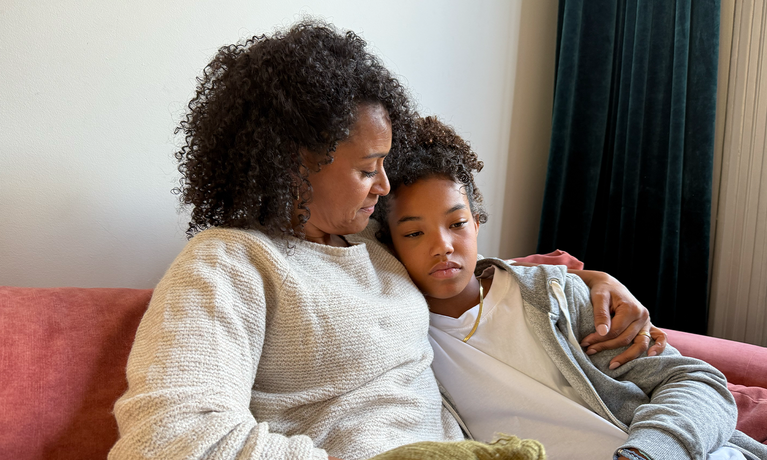
Eenzaamheid kun je lang niet altijd direct zien. Wel kun je letten op een aantal signalen. Een kind trekt zich bijvoorbeeld terug, is prikkelbaar, laat claimgedrag zien, heeft een verminderde eetlust, of veel buikpijn. Zie ook deze signaleringskaart. Vraag door als je verandering opmerkt bij je kind, maar forceer niks.
Soms kunnen ingrijpende gebeurtenissen de oorzaak zijn van gevoelens van eenzaamheid. Denk aan een scheiding, verhuizing of de overgang naar de middelbare school. Ook blije gebeurtenissen, zoals het krijgen van een broertje of zusje, kunnen van invloed zijn. wees dan extra alert op signalen.
Maak het bespreekbaar
Veel kinderen schamen zich voor gevoelens van eenzaamheid en denken dat het aan hen ligt. Maak het onderwerp bespreekbaar en ga het niet uit de weg. Normaliseer het gevoel, maar bagatelliseer het probleem niet.
Erken áltijd het gevoel van je kind. Leg uit dat eenzaamheid een normaal, menselijk gevoel is, dat iedereen weleens ervaart. Maar dat het erg naar is om je zo te voelen en dat het daarom goed is om erover te praten. Luister zonder oordeel en laat voelen dat je kind bij jou terecht kan.
Zoek vervolgens sámen naar oplossingen. Bespreek met je kind waar het behoefte aan heeft. Vraag bijvoorbeeld: wat zou jou kunnen helpen je minder alleen te voelen? Je kunt ook aanbieden om samen stappen te zetten (een gesprek op school, een activiteit plannen, helpen bij het leggen van contacten).
'Sinds ik op de middelbare school zit, voel ik me ‘leeg’ van binnen en lijkt het alsof ik geen emoties voel. Ik houd dit voor mezelf, omdat ik niemand tot last wil zijn.' -Senna (15)
Tips voor een goed gesprek
1. Kies je moment
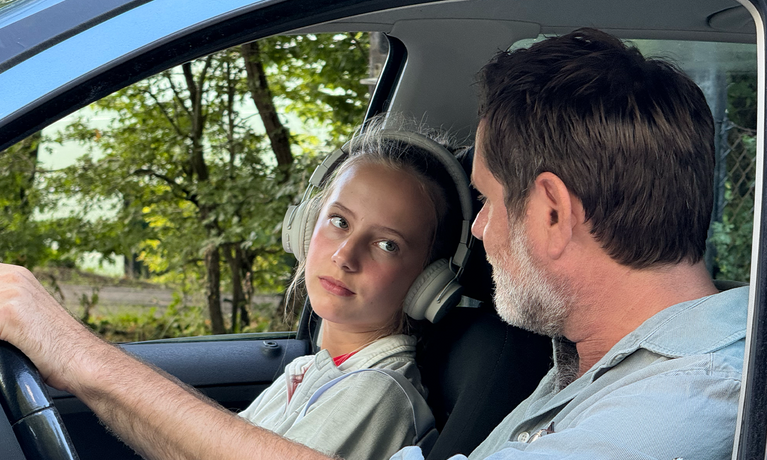
De beste gesprekken ontstaan níet als je ervoor gaat zitten, maar spontaan, op dagelijkse momenten. Tijdens het eten, een autoritje of de afwas. Praten gaat soms ook makkelijker als je samen iets doet en je elkaar niet per se hoeft aan te kijken.
2. Ook non-verbaal telt mee
Praten doe je niet alleen met woorden. Ook met je ogen, handen en lichaamshouding kun je heel veel zeggen. Wees je bewust van je eigen non-verbale communicatie en neem een open, geïnteresseerde en actieve (luister)houding aan.
3. Ga voor gelijkwaardig
Stel vragen vanuit oprechte interesse. Niet vanuit nieuwsgierigheid, de behoefte om te controleren of een oordeel. Dat voelt een kind haarfijn aan. Dus liever niet: ‘Heb je op school al nieuwe vrienden gemaakt?’ Maar wel: ‘Er zitten heel veel kinderen op school die je nog niet kent, wat vind je daar eigenlijk van?’
4. Vraag naar een ervaring of beleving
Probeer met je vragen aan te haken op wat je kind van iets vindt of wat hij erbij voelt. Daar kom je in stapjes: begin met een concrete vraag en ga daar steeds iets dieper op in.
Bijvoorbeeld: ‘Hoe ver moet je nou lopen als je van lokaal moet wisselen? Welke lokalen liggen het verste uit elkaar? Hoe vind je dit loopje tussen de lessen? Enzovoort.
5. Erken het antwoord
Je hoeft het niet altijd eens te zijn met je kind, of meteen een oplossing aan te dragen. Laat éérst merken dat je hebt gehoord wat je kind zegt en dat je het gevoel begrijpt.
Bijvoorbeeld: ‘Dus je baalt ervan dat er vandaag gedoe was met je vrienden. Ik kan me voorstellen dat dat lastig is.’
‘Eenzaamheid is een hol gevoel van binnen. Dat niemand je ziet en tegen je praat, alsof je niet bestaat’. -Luna (10)
Goeie vraag!
Bij kinderen en jongeren werken (te) open en directe vragen vaak minder goed. Maar wat is dan een ‘goeie’ vraag?
- Een concrete vraag is makkelijker te beantwoorden. Begin klein en vraag door in stapjes. Bijvoorbeeld: ‘Wie maakt er veel grappen in de klas? En wie is er juist stil? Hoor jij meer bij de drukke of de stille kinderen? Wat vind je daarvan?’
- Gebruik eigen voorbeelden om te verbinden met je kind. Bijvoorbeeld: ‘Ik vond het vroeger nooit leuk om na het weekend weer met school te beginnen. Vind jij dat ook stom of juist leuk?’
- Een meerkeuzevraag of ‘dilemma’ kan een kind ook helpen om antwoord te geven, en geeft tegelijk de bevestiging dat zijn mening ertoe doet. Bijvoorbeeld: ‘Wat zou je kiezen: de hele middag thuis chillen of de hele middag voetballen op het plein?’ Natuurlijk kun je daarna nog doorvragen: ‘Waarom kies je daarvoor?’
Nu jij!
Alle vragen zijn bedoeld als gespreksstarters. Ze zullen niet altijd meteen tot een diepgaand gesprek leiden, en dat hoeft ook niet. Het gaat erom dat je op ideeën komt om ándere vragen aan je kind te stellen. Want daardoor zul je ook een ander gesprek hebben. Bovendien is ieder kind en iedere ouder uniek. Dus: gewoon uitproberen en kijken wat voor jullie werkt. Veel plezier en succes!