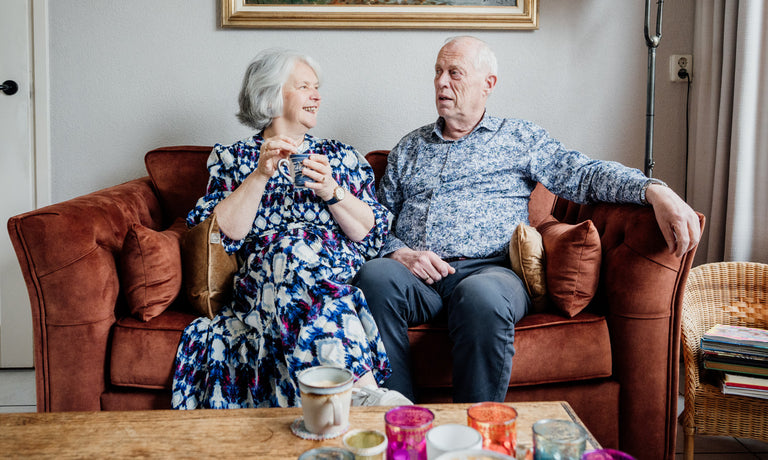
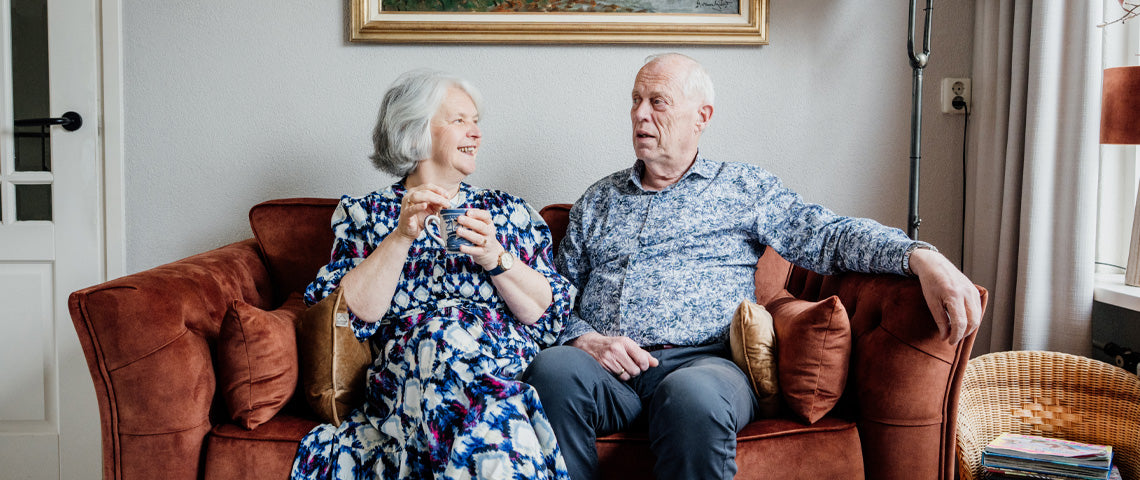
Hubhome foster parents offer a place full of warmth, recognition and support
A smile and a tear, always a big hug as a greeting, and above all: lots of crafts. For hubhome foster parents Arianne and Arie from Waarder, it feels like they've gained a second family with Mockingbird. They find the appreciation from foster parents when their foster child can come play or stay with them priceless. Arianne: "A close bond has developed between the foster children, and their foster parents know they can always count on us."
What is Mockingbird?
What if foster families weren't alone? What if they could rely on a support group of foster families around them?
That's Mockingbird . Foster families living near each other form a network, always with an experienced foster family at the center (foster family hub). By connecting foster families, they become stronger and are more successful in providing a loving and stable environment for foster children. The biological parents of foster children and the biological children of foster parents also play an important role in Mockingbird. And the foster children themselves? Thanks to Mockingbird, they experience that they're not alone. They make friends and have fun with other children going through the same things, so they don't have to explain anything to them. They can always turn to the other families in the network for a chat, a game, or a sleepover.
Mockingbird is there for foster children and their parents. This way, more children have a stable and loving environment to grow up in.
From crisis foster care to Mockingbird hub home
Arianne and Arie have been foster parents for almost twenty years. It was always short-term emergency shelter, something they stopped doing since Mockingbird. They are still full-time foster parents of a 17-year-old boy. "He's been living with us for over 15 years and is doing really well in his education and job," Arianne says proudly.
They have a wealth of knowledge and experience. They also understand—from their time working in emergency shelters—the need for constructive conversations with fellow foster parents. "We know how challenging foster care can be, and how best to handle challenging situations. Every foster child has their own baggage, big or small," Arie explains.
To give encouragement
Many foster children face trauma and/or attachment issues. This can lead to complex behavior, such as attraction and rejection, lying, hyperactive or aggressive behavior, anxiety, or problems with sleep or school. Arie: "For foster parents, it's a relief that we know exactly what they're dealing with, and that makes it easy for them to ask us for help." Arianne adds: "We regularly call and text the foster parents so we can offer them support. It's wonderful to be able to offer this kind of support to these families."
It's not just a foster child's behavior that can be challenging, Arie explains. "As a foster parent, you have a lot to deal with: arrangements, finances, and arranging visitation. The new foster parents in our network are full of questions. They can come to us with them, even in the evenings. We know from personal experience that care providers are often busy and not always readily available. It's very helpful for foster parents to have us as a resource. They also feel more comfortable being vulnerable than they would with a care provider. This way, we can offer something extra, which is also more accessible."
Babysitting address
Arie and Arianne form a Mockingbird network with six other families. "One of those families had two sisters. They came to our home one afternoon a week for a while," Arianne explains. "The foster parent had no one else to rely on, so the need was quite high. We offered to babysit temporarily. A plus here is that, based on years of experience, we know how best to deal with challenging behavior in foster children. This way, you can contribute to a smooth placement, which benefits both the foster parents and the foster children."
When the girls returned to live with their father, daycare was no longer needed. Arianne recounts how they cried when they played at their home on their last afternoon. "It's nice to see how much they enjoyed it here."
If possible, it's best for children to eventually live with their parent(s). Hub home foster parents can play an important role in this. For example, by involving the foster children's parents in Mockingbird's activities and by providing support when they return home.
Children find recognition in each other
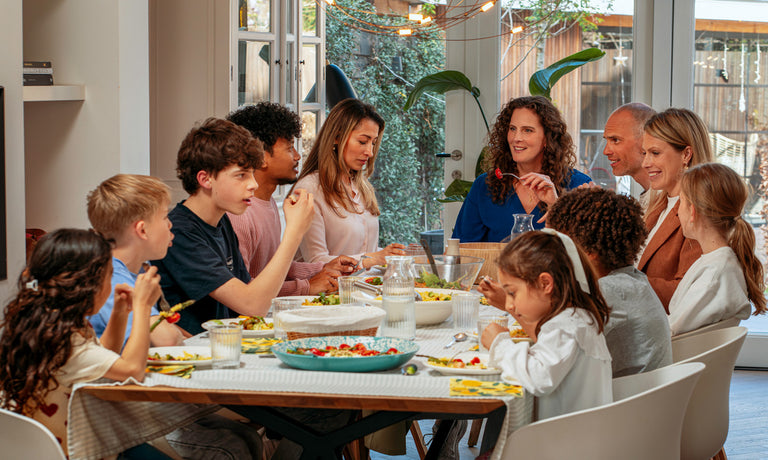
Arie and Arianne enthusiastically talk about the foster families' monthly get-togethers, where they organize scavenger hunts, play games, and always eat together. Arie: "You can just see and feel that the children feel connected to each other, that they know they share a common background. And they really enjoy having a monthly outing."
Arianne's eyes sparkle with joy as she talks about the many crafts, gifts, and hugs she receives from the children. "They spontaneously show their appreciation, and that's really energizing." And the foster parents, they can recharge when their foster child spends a day with Arianne and Arie. "Our group is a mix of experienced and new foster parents, and new foster parents especially need support, someone to talk to. But all families are very welcome to come and stay with us."
Trusted shelter in times of crisis
For foster families, it's comforting to be able to rely on Mockingbird when the need is greatest. Arianne: "For a while, we had a child from one of the Mockingbird foster families living with us. It was essentially a kind of emergency shelter. Due to sad circumstances, the child could suddenly no longer live with their own foster family. It's incredibly comforting for such a child to end up in a familiar place, with people they've already built a bond with. In regular foster care, a child would then be placed with an unfamiliar emergency foster family. That's very difficult for a child."
Together for the child
Foster families supporting each other is a very powerful form of community, according to the hubhome foster parents. Arianne points out that foster parents—and that includes the foster children—understand each other very quickly. "We also want to help the foster parents grow in caring for their foster child," Arie continues.
That's why we occasionally delve into a topic together, under the guidance of an expert, like the importance of a good relationship with the parents of foster children. After all, all foster parents face more or less the same challenges, so being able to brainstorm and exchange ideas is very valuable.
Arianne: "With Mockingbird, we, as foster families, work together to ensure all children have a loving environment where they can be themselves. The foster parents, in turn, feel empowered by the support we provide, creating a warm and stable environment in which to grow up. Together, we strengthen foster care!"