We have a single monitoring approach for our program. This approach allows us to continuously improve our knowledge, measurement, and learning about which interventions have the greatest impact on children. The monitoring approach consists of the following components:
- We ask our partners to measure their activities with and for children, both quantitatively and qualitatively, against a number of predetermined intended effects.
- Action research is being conducted in each region. Project partners are developing their own learning questions. These questions can be answered through short, practice-oriented research—for which Kinderpostzegels provides the tools. This improves the quality of the interventions.
- Train the trainer: we build our partners' capacity by training them in resilience, mental health, and participation. We do this by transferring knowledge and responding to the questions our partners have. For example, the "Resilience" and "Child Participation" toolkits were developed in part at the request of our partners.
- It's essential to stay constantly informed about new research and trends so we can incorporate them into our activities. We build on expertise from both the field and academia.
- We measure the added value that the collaboration with Kinderpostzegels has for the project partner. This is done with a baseline and a post-measurement. We do this to analyze what adjustments are needed in our work to achieve a greater impact for children. This way, we learn which interventions work well and are therefore worth scaling up. It also helps us learn how we can improve our work.
Aanpak eenzaamheid onder kinderen in het basisonderwijs
Tools eenzaamheid
Eenzaamheid herkennen is een eerste stap. Maar wat kun je vervolgens doen? We hebben verschillende praktische hulpmiddelen ontwikkeld om professionals in het basisonderwijs te helpen eenzaamheid bespreekbaar te maken en kinderen met elkaar te verbinden.
Aanpak eenzaamheid in het basisonderwijs
In deze brochure vind je praktische handvatten om op school met eenzaamheid aan de slag te gaan. Van het herkennen van signalen tot het creëren van meer verbinding in de klas.
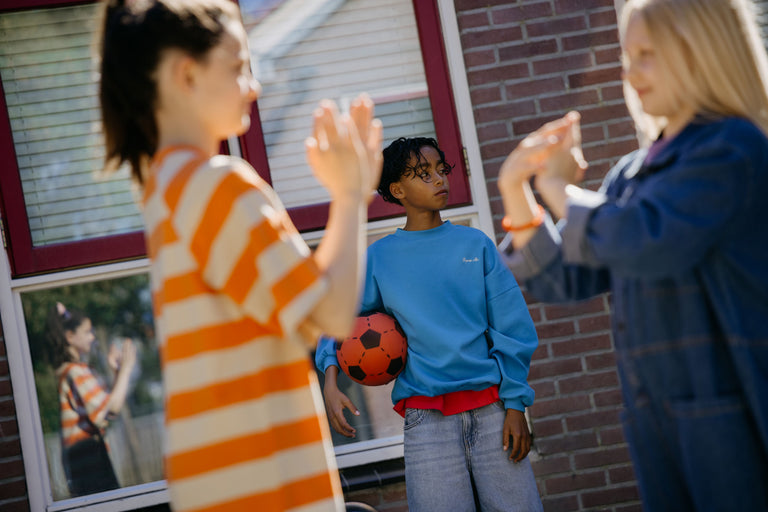
Spellen voor in de klas
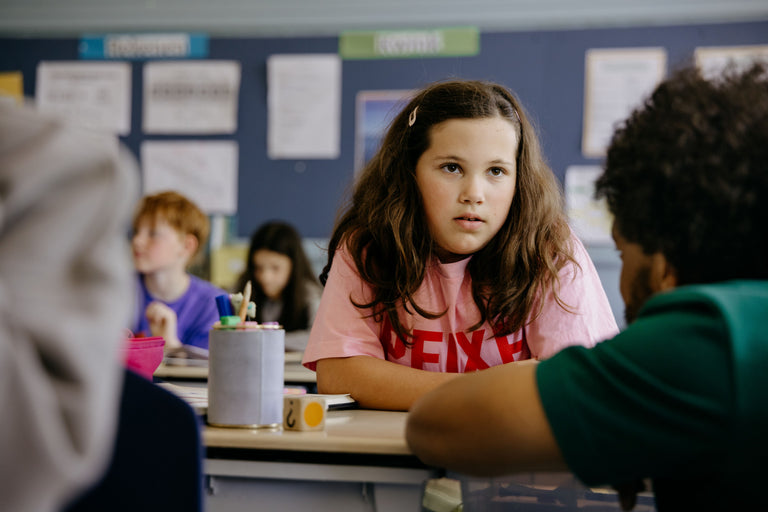
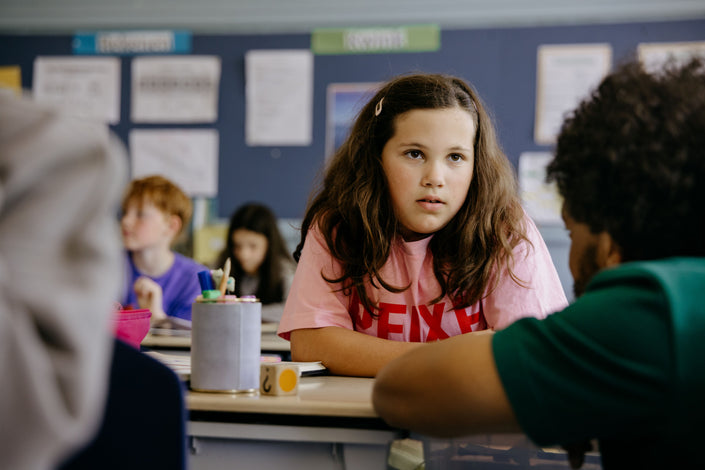
Met deze drie spellen kunnen kinderen op een laagdrempelige manier met elkaar in gesprek gaan, elkaar beter leren kennen en werken aan verbinding.
- Speel: zeg het samen.
- Speel: noem drie dingen.
- Speel: alleen en in de groep.
Podcast: eenzaamheid in de klas.
Wat kun je als leerkracht doen als een kind zich eenzaam voelt? In deze podcast bespreken we hoe je eenzaamheid in de klas kunt herkennen en wat je kunt doen.
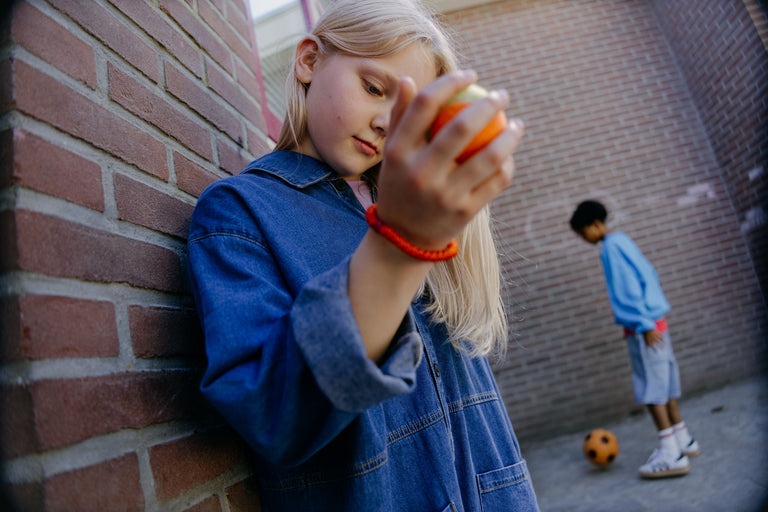
Wat weten we over eenzaamheid onder kinderen?
Onderzoeken
Om eenzaamheid beter te kunnen voorkomen en aanpakken, is het belangrijk om te weten wat kinderen nodig hebben. In onze onderzoeken delen we inzichten uit de praktijk en onderzoek. Ook hebben we de belangrijkste inzichten voor kinderen zelf overzichtelijk gemaakt.
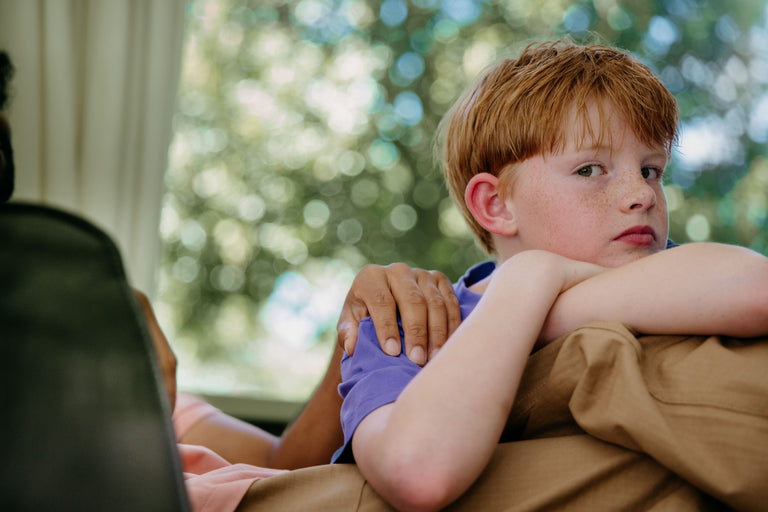
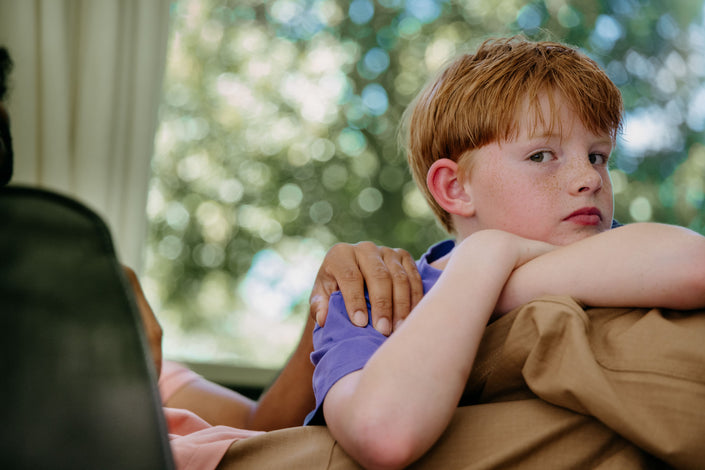
Hulp bij eenzaamheid
Een kind hoeft er niet alleen voor te staan. Soms helpt het om met iemand te praten die luistert, meedenkt of advies kan geven. Hieronder vind je verschillende organisaties waar kinderen, jongeren en ouders terechtkunnen met vragen of zorgen over eenzaamheid.
Kindertelefoon
De Kindertelefoon is al 46 jaar dé plek in Nederland waar kinderen van 8 tot 18 jaar gratis en anoniem kunnen praten over onderwerpen die ze niet durven, kunnen of willen bespreken in hun eigen omgeving.
Join us
Stichting Join Us biedt jongeren tussen de 12 en 30 jaar, in meer dan 90 gemeenten én online, een veilige omgeving waarin zij sociale vaardigheden en veerkracht ontwikkelen.
Oudertelefoon
De Oudertelefoon staat via telefoon en chat klaar voor ouders en opvoeders. Je mag ze altijd bellen als je vragen hebt, zorgen, twijfels, problemen of om gewoon even te sparren.